About
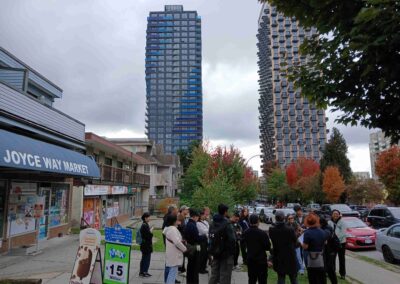
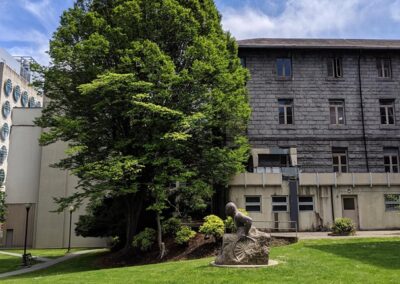
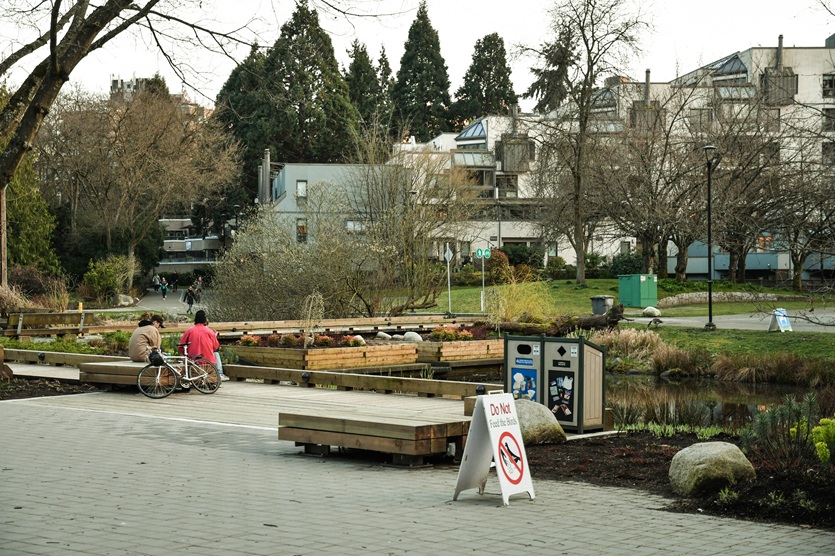
False Creek South (FCS) was created in the 1970s as a social experiment on mixed income living emphasizing affordability and livability. This experiment is characterized by 1) the mix of one third each co-op housing, strata condominiums and non-profit rental housing 2) the physical design based on “patterns” of how people interact with each other and their surroundings and 3) a City of Vancouver created False Creek South Neighbourhood Association(FCSNA) which provides a forum for discussion of the collective interests of the neighbourhood including maintaining a safe and healthy community with a diverse population mix. FCS is on predominantly City-owned leased land and the majority of these leases expire over the next 10-20 years (some have already expired). Complicating the lease matter is the fact that FCS is a redevelopment site for the City of Vancouver. Land that was leased in the 70s now has a far higher financial value.
In October 2021 the City of Vancouver’s Real Estate department presented Council with a plan that predicated on unlocking the economic potential of waterfront land as the starting frame for the redevelopment of False Creek South. There were around 170 speakers to this, many in opposition because it was at odds with the philosophy of affordability, livability, social mix and community building that is definitive of the neighbourhood. City Council decided to take this report for information only and initiate a community-based planning process.
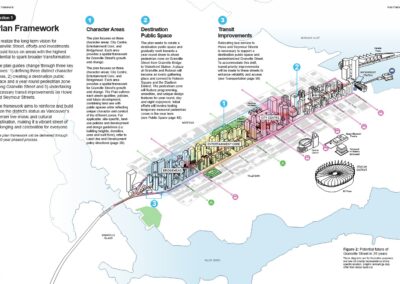
As the next major step in the redevelopment planning of FCS, In January 2025 the City of Vancouver announced that Arup, an international engineering firm, would be conducting a technical study of False Creek South. The study, which began in June 2025 and will be presented to City Council in early 2026, will study many of the different considerations facing False Creek South, including sea level rise, seismic safety, soil contamination, and infrastructure needs. At the same time, it will consider how some of the elements that have made False Creek South a model community, like courtyards, geographically dispersed housing types, and income mix, can continue into the future. All this will be used to draft a development framework which, if approved by Council, will be used to develop the community plan with the City of Vancouver Planning Department. RePlan, a committee of the FCSNA negotiating lease renewal and doing its own conversations and planning for the redevelopment of the has met with Arup to discuss FCS priorities, data, and outcomes.
Why on the Top10
As one part of RePlan’s work around planning of the neighbourhood’s redevelopment, Heritage Vancouver helped by studying FCS as a cultural landscape form of heritage. The study draws on residents’ input at City Council meetings on the redevelopment of FCS, during community planning workshops, and in interviews to document significant aspects of False Creek South’s heritage from the perspective of this area as a living community. The heritage of FCS is usually thought of as the planning history and success as an urban social experiment and therefore is commemorative of its history. The cultural landscape form of heritage focuses on the daily relationships the people living there have with their neighbourhood, how those relationships were fostered by the urban design, and how the people that form the community embody a cultural way of life that makes False Creek South a distinct cultural place in the city.
The study found one central theme consisting of the physical design as well as the design of the social system. Physical design refers to the physical composition and placement of which types of housing, buildings and green space where. Design of the social system refers to the housing tenures, resident income mix, the FCSNA as a central community coordination hub, and the public ownership over the land which are sets of relationships that interact with each other to form an interconnected community. This physical and social design brings about three defining characteristics of FCS: A sense of belonging, of being a part of a community, the importance of community acts to care for others and wanting to do good as a community, and having a respect for the legacy and reputation of FCS when making changes.
In regard to redevelopment, this cultural landscape understanding and study is intended to be used to inform how FCS will change in a way that maintains its spirit and philosophy. The physical place may change but the findings are there specifically to set the qualitative desired social outcomes for aspects such as built form, building configuration and place conducive to social interaction.
Most importantly, the cultural landscape understanding of FCS is important because its significance extends beyond it being a collection of buildings that are the product of innovative planning practices in the 1970s. FCS today is highly relevant to present life because it relates to the societal problem of social-connectedness in communities but also to the crisis of housing as a human right. FCS is not simply a place that was created during a political and social context in which housing was a human right that still remains, but one that actively embodies those values of housing as a human right and human development while confronting a social and political environment in which housing is a commodity and people are vulnerable to the market.
Additional Resources:
https://vancouver.ca/home-property-development/false-creek-south-neighbourhood-planning-program.aspx
https://vancouver.ca/home-property-development/false-creek-south.aspx
We acknowledge the financial assistance of the Province of British Columbia